Introduction
Artificial Intelligence (AI) is one of the most discussed technologies of our time. Depending on who you ask, it’s either a miracle worker or an existential threat. Headlines about job automation and “robots replacing humans” fuel fear, while stories about breakthroughs in medicine, science, and business inspire awe.
The truth is simpler: AI is a tool. Just like electricity, the automobile, or the internet, AI extends what people can do. It doesn’t erase human potential — it amplifies it. When framed this way, AI isn’t a threat to people or businesses. It’s an unprecedented opportunity to grow, innovate, and compete.
What AI Really Is
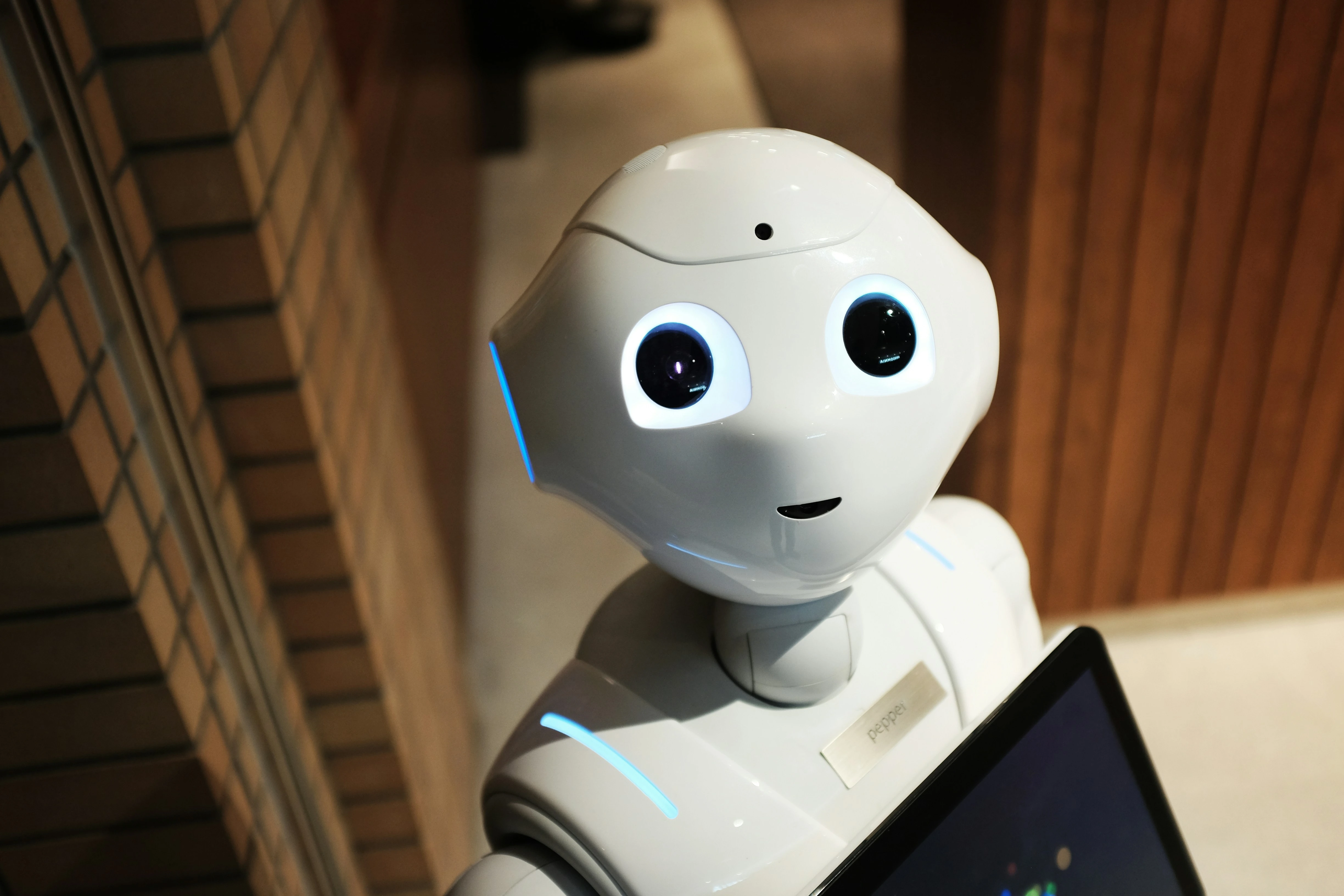
AI is often overhyped or misunderstood. At its core, it isn’t “thinking” or “alive.” AI systems are sophisticated algorithms trained to detect patterns, make predictions, and assist in decision-making.
They excel in areas where humans are limited:
- Data Processing: AI can analyze millions of records in seconds, spotting insights people would overlook.
- Automation: Repetitive tasks like sorting emails, categorizing expenses, or processing forms can be delegated to machines.
- Decision Support: AI helps leaders make informed decisions by surfacing trends, anomalies, and recommendations.
Think of AI as a microscope or telescope — it doesn’t replace the scientist, it equips them with vision they didn’t have before.
Why AI is an Asset, Not a Threat
1. Productivity Booster
AI automates low-value work, enabling employees to focus on creative, strategic, and relationship-driven activities. Instead of replacing jobs, AI allows people to spend time on work that matters most.
2. Decision Support
AI enhances decision-making by analyzing complex data and highlighting patterns. For example, AI-driven analytics can identify customer churn risk or highlight operational inefficiencies before they become major problems.
3. New Opportunities
Every technological revolution created new roles. The industrial revolution gave rise to manufacturing specialists; the internet created web developers, digital marketers, and cybersecurity experts. AI is creating AI trainers, ethicists, and business integrators — jobs that didn’t exist a decade ago.
4. Accessibility and Inclusion
AI-powered tools like real-time language translation, voice assistants, and adaptive education platforms make technology accessible to people who might otherwise be excluded. In many ways, AI helps level the playing field.
Busting Common Myths
“AI will take all the jobs.”
In reality, AI changes the nature of jobs. Some repetitive roles may shrink, but new ones will emerge. Just as spreadsheets didn’t eliminate accountants, AI won’t eliminate humans — it shifts what we focus on.
“AI makes decisions for us.”
AI offers recommendations, not final decisions. Humans remain responsible for context, judgment, and ethics. The best AI-human partnerships are collaborative, not competitive.
“AI is unsafe for small businesses.”
Cloud-based AI services have democratized access to tools once reserved for large enterprises. SMBs can now use the same AI-driven marketing, analytics, and customer support tools that Fortune 500 companies use — often at subscription-level prices.
How Businesses Can Leverage AI Safely
For businesses, adopting AI doesn’t mean risky experiments. It means incremental, practical steps:
-
Start Small
Pilot AI in areas like reporting automation, invoice classification, or customer chatbots. -
Choose Responsible Vendors
Work with providers who are transparent about data usage and compliance. Prioritize solutions with built-in governance. -
Train and Upskill Staff
Employees should understand AI’s role, benefits, and limitations. Upskilling builds trust and helps staff feel empowered rather than threatened. -
Measure ROI
Track improvements in time savings, customer satisfaction, or revenue uplift to demonstrate value.
Real-World Examples
- Customer Service: AI-powered chatbots answer basic questions 24/7, while human agents handle complex cases.
- Healthcare: AI helps doctors analyze scans faster, but physicians remain in charge of diagnoses and treatment.
- Retail: Predictive analytics recommend the right products to customers, increasing sales without replacing human sales teams.
These examples show AI as a force multiplier, not a replacement.
The Bigger Picture
Just like electricity revolutionized business a century ago, AI is becoming a utility — invisible but indispensable. Companies that adopt it responsibly will find themselves more competitive, more resilient, and more innovative than those that resist change.
The key is balance: use AI to augment human judgment, not replace it.
Conclusion
AI isn’t a looming threat. It’s the next step in humanity’s long journey of technological progress. By automating repetitive work, amplifying decision-making, and unlocking new opportunities, AI empowers people and businesses to achieve more than ever before.
The future belongs not to those who fear AI, but to those who embrace it responsibly as an asset.